Monday - Friday 07:30 - 17:30, Saturday 07:30 - 16:00
Floorboards Repair, Hornsey, N6 - Sanding, Buffing & Lacquer
Back to Portfolio
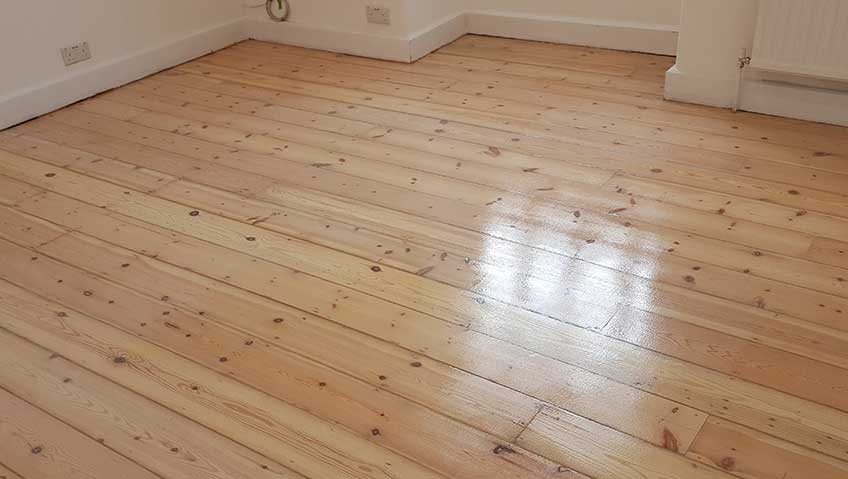
Floorboards Repair, Hornsey, N6 - Sanding, Buffing & Lacquer
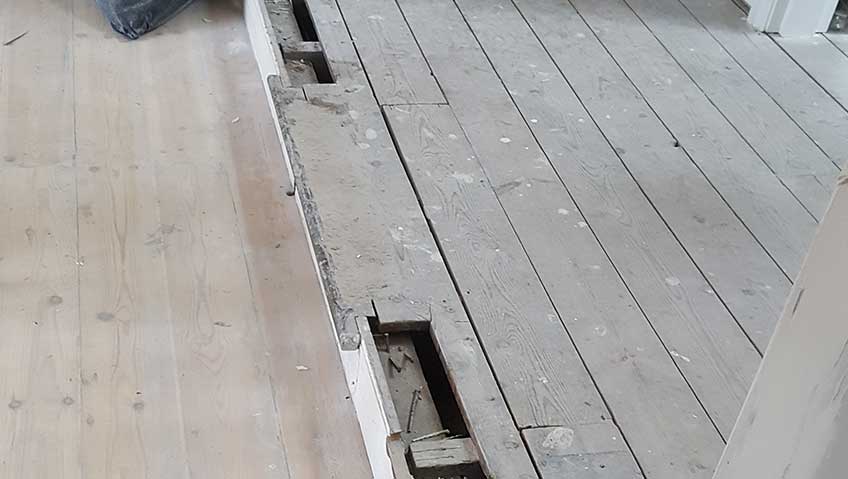
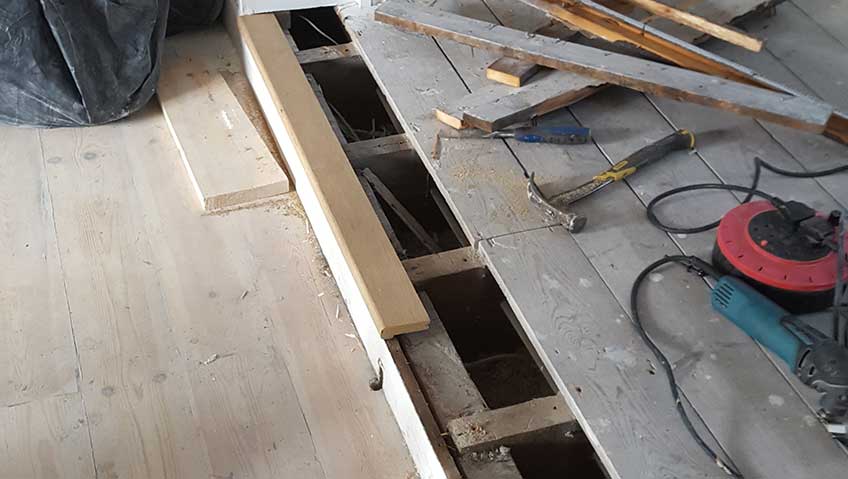
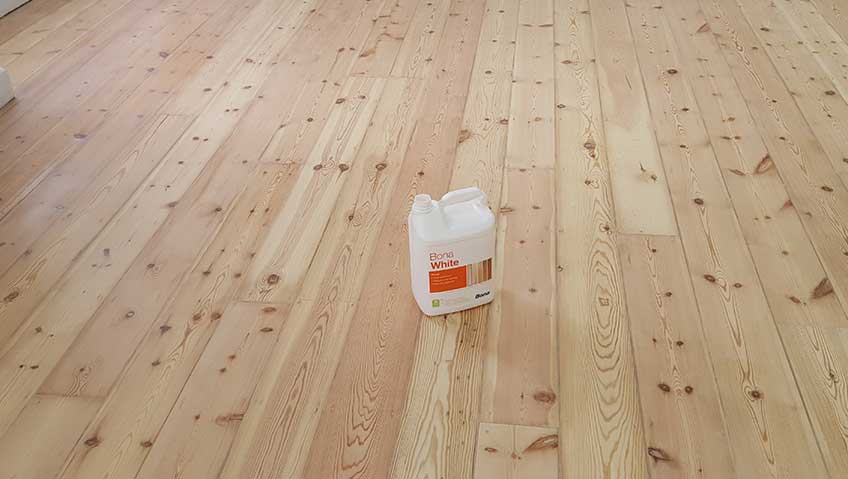
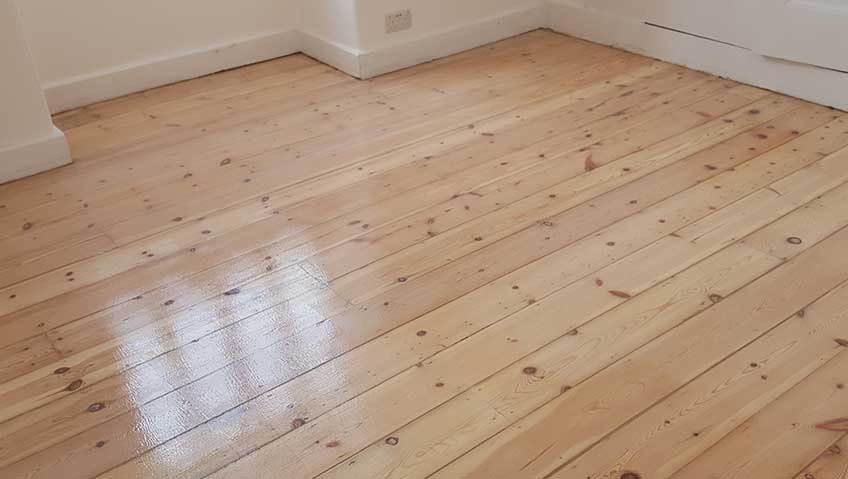
This Victorian terraced property in Hornsey required a complete floor restoration across two reception rooms totalling 45 square metres. The original pine floorboards had been covered with carpet for over thirty years, leaving them dull and heavily scratched. We undertook a full sanding, buffing and lacquer treatment to restore the wood to its natural character.
Work carried out
- Complete floor sanding using industrial belt and orbital sanders
- Multi-grit progression sanding from 40 to 120 grit
- Edge sanding and corner work with handheld equipment
- Dust extraction and containment throughout the process
- Buffing to prepare surface for finish
- Application of two coats of water-based lacquer
- Final inspection and touch-up work
About the project
The floorboards were in reasonable structural condition but showed significant surface damage from decades of foot traffic and furniture marks. Removing the old adhesive from the carpet underlay proved more time-consuming than anticipated, as patches of bitumen backing had bonded to the wood. We addressed this methodically using a combination of gentle scraping and solvent treatment before beginning the sanding process. The pine had also suffered some water marks near the bay window, though these lifted during the early sanding stages once the damaged surface layer was removed.
Our approach involved starting with 40 grit paper to level the boards and remove the worst damage, then progressing through 80 and 120 grit to achieve a smooth finish suitable for lacquering. We used both a drum sander for the main floor area and an orbital sander for precision work in the bays and around the fireplace. The property was thoroughly sealed during sanding to contain dust, which was particularly important given the client's allergies. We completed the sanding over two days, with buffing and the first lacquer coat applied on day three, followed by the second coat and final inspection on day four.
About our Floorboards Repair, Hornsey, N6 - Sanding, Buffing & Lacquer service
Hornsey contains a good mix of Victorian and Edwardian properties, many of which have original timber floors buried beneath modern carpeting. The area has seen considerable renovation activity over the past decade as homeowners look to restore period features. We regularly work on properties built between 1870 and 1920, where the original floorboards are typically pine, sometimes with oak in main reception areas. Many of these older homes have lost their original finishes, and the wood has absorbed years of general wear, spills and pet damage. We've also noticed an increase in new build apartments where engineered wood has been installed, which requires different sanding techniques and finishing approaches.
The typical Hornsey property tends to have fairly narrow hallways and interconnected reception rooms, which means careful planning around dust control and access points. Many clients want to maintain their period character while enjoying the practicality of a durable, easy-to-clean finish. We've found that water-based lacquers work particularly well in these spaces as they enhance the wood grain without yellowing, unlike the oil-based products that were common thirty years ago. Solid timber floors in Hornsey homes often respond well to restoration work, revealing wood quality that clients didn't realise they had.
Frequently asked questions
How much does floor sanding cost per square metre?
Sanding costs typically range from £25 to £45 per square metre, depending on the condition of the floor, the extent of damage and whether edge work is required. Heavier damage or unusual floor layouts may cost towards the higher end of that range. We provide a detailed quote after visiting the property.
How long does sanding take?
A straightforward sanding job on a 45 square metre space usually takes two to three days, allowing time for dust extraction between grit changes and drying time for any finish coats. More challenging floors with significant damage or unusual layouts can take longer. You should budget for the property to be disrupted during this period, though we manage dust carefully with containment sheeting.
Is the sanding process dust-free?
We use industrial dust extraction equipment connected directly to our sanders, which captures the majority of dust during sanding. However, some fine dust always settles, so we seal the room during work and clean thoroughly afterwards. If you have respiratory sensitivity, we can discuss additional precautions before we start.
Project Gallery